

The Price Spectrum
Nursing home costs in Thailand vary widely depending on location, level of care, and amenities. Monthly fees typically range from 15,000 to over 100,000 baht. Understanding what drives these differences can help families plan more effectively and avoid unexpected expenses.
What Monthly Fees Usually Cover
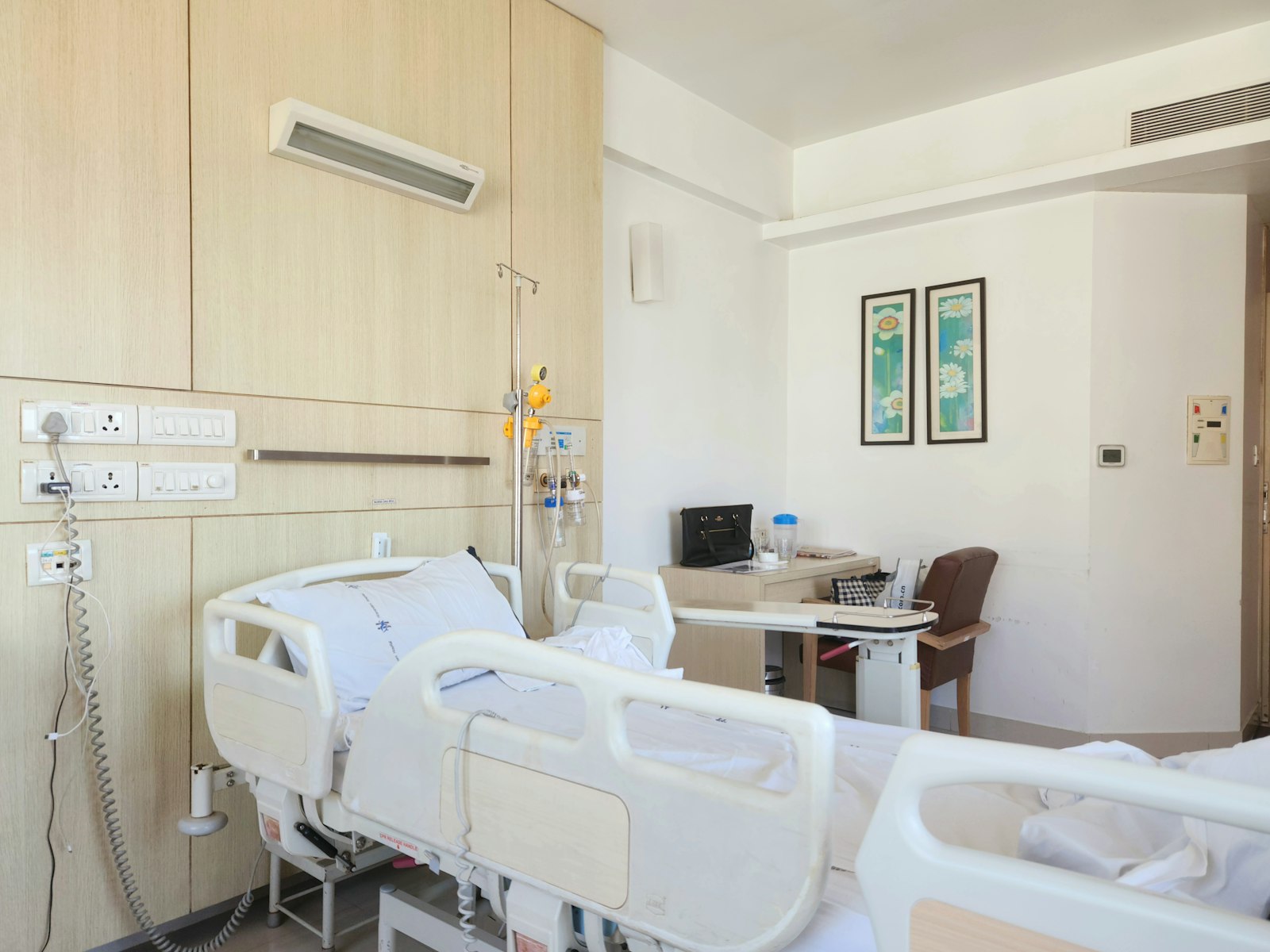
A standard monthly package at most facilities includes accommodation, three meals per day, basic nursing care, and laundry services. Rooms may be shared or private depending on the price tier. Most homes also provide regular health monitoring such as blood pressure checks and medication management.
Common Additional Charges
Beyond the base rate, families should budget for several potential extras. Physical therapy sessions are often billed separately, ranging from 500 to 2,000 baht per session. Specialized care for conditions like dementia or post-operative recovery commands a premium of 5,000 to 20,000 baht per month. Some facilities also charge for personal supplies such as adult diapers, which can add 2,000 to 4,000 baht monthly.
Regional Price Differences
Location significantly affects pricing. Bangkok facilities tend to be the most expensive due to higher land and labor costs. Chiang Mai offers mid-range options with a lower cost of living. Provincial areas in the south and northeast can be considerably more affordable, though the range of available services may be narrower.

Government and Insurance Options
Thailand's universal healthcare scheme covers basic medical needs for Thai citizens, but it does not cover long-term residential care. Some private health insurance plans offer limited elderly care benefits, though these are still uncommon. Families should review their insurance policies carefully and consult with a financial advisor if significant long-term care expenses are anticipated.
Tips for Budgeting
Start by listing the non-negotiable services your loved one requires. Request itemized quotes from at least three facilities. Ask about rate increases and how pricing changes if the level of care needs to escalate. Some homes offer trial stays of one to two weeks, which can be a cost-effective way to evaluate a facility before committing long-term.
The Value Perspective
Cost is important, but it should be weighed against quality of life.
A slightly more expensive home with better staff ratios, cleaner facilities, and more engaging activities may ultimately be a better investment in your family member's health and happiness.