

What a Bedridden Patient Needs
A bedridden patient is someone who cannot get up or move on their own and so depends on a caregiver for nearly every daily task. Good care covers repositioning, feeding, hygiene, and close observation for any change in condition. The goal is to prevent complications and preserve as much quality of life as possible.
Preventing Pressure Sores
Pressure sores are the most common problem in bedridden patients, caused by lying in one position for too long. Reposition the patient every two hours, use an air mattress or pressure-relief cushions, and keep the skin clean and dry. Check high-risk areas regularly — the tailbone, hips, heels, and elbows — and if you find redness that doesn't fade when pressed, consult a nurse promptly.
Nutrition and Feeding
Bedridden patients are at risk of malnutrition and choking. Provide easily digestible meals with enough protein to support tissue repair, and ensure regular fluid intake. For patients fed through a tube, keep the equipment clean and raise the head of the bed during feeding to reduce the risk of aspiration.

Hygiene and Toileting
Cleanliness helps prevent infection. Sponge-bathe daily, change diapers or manage toileting on a regular schedule, and care for the mouth to lower the risk of aspiration pneumonia. A well-ventilated room and clean bedding matter just as much.
When to Consider Professional Care
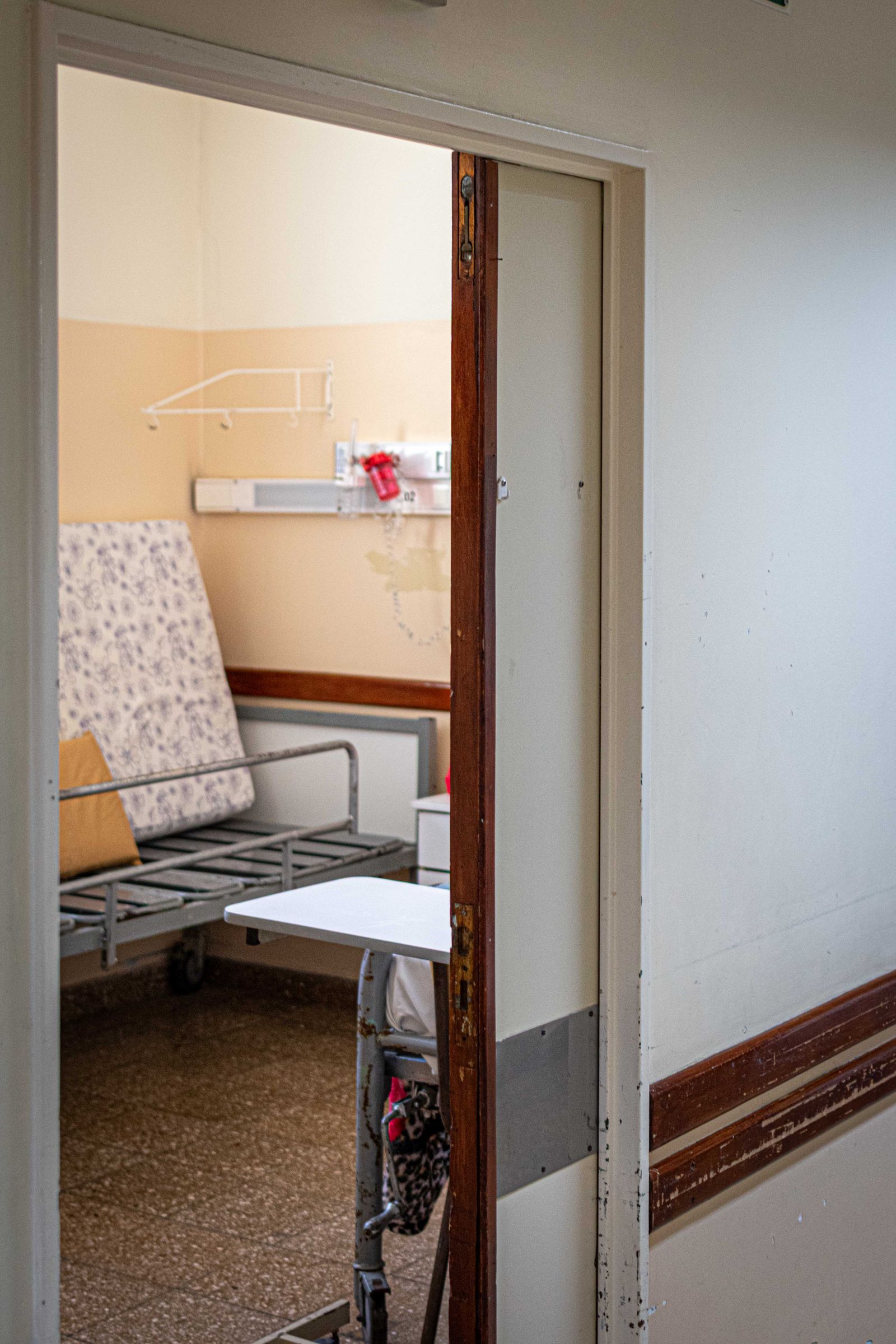
If the patient's condition becomes more complex — needing suctioning, oxygen, or developing advancing pressure sores — or if the family can no longer cope physically and in terms of time, a care centre for bedridden patients with registered nurses may be the safer option. These centres have the equipment and staff to respond to complications quickly.
Look After the Caregiver Too
Caring for a bedridden patient is a heavy burden, both physically and emotionally. The primary caregiver often becomes exhausted and quietly stressed.
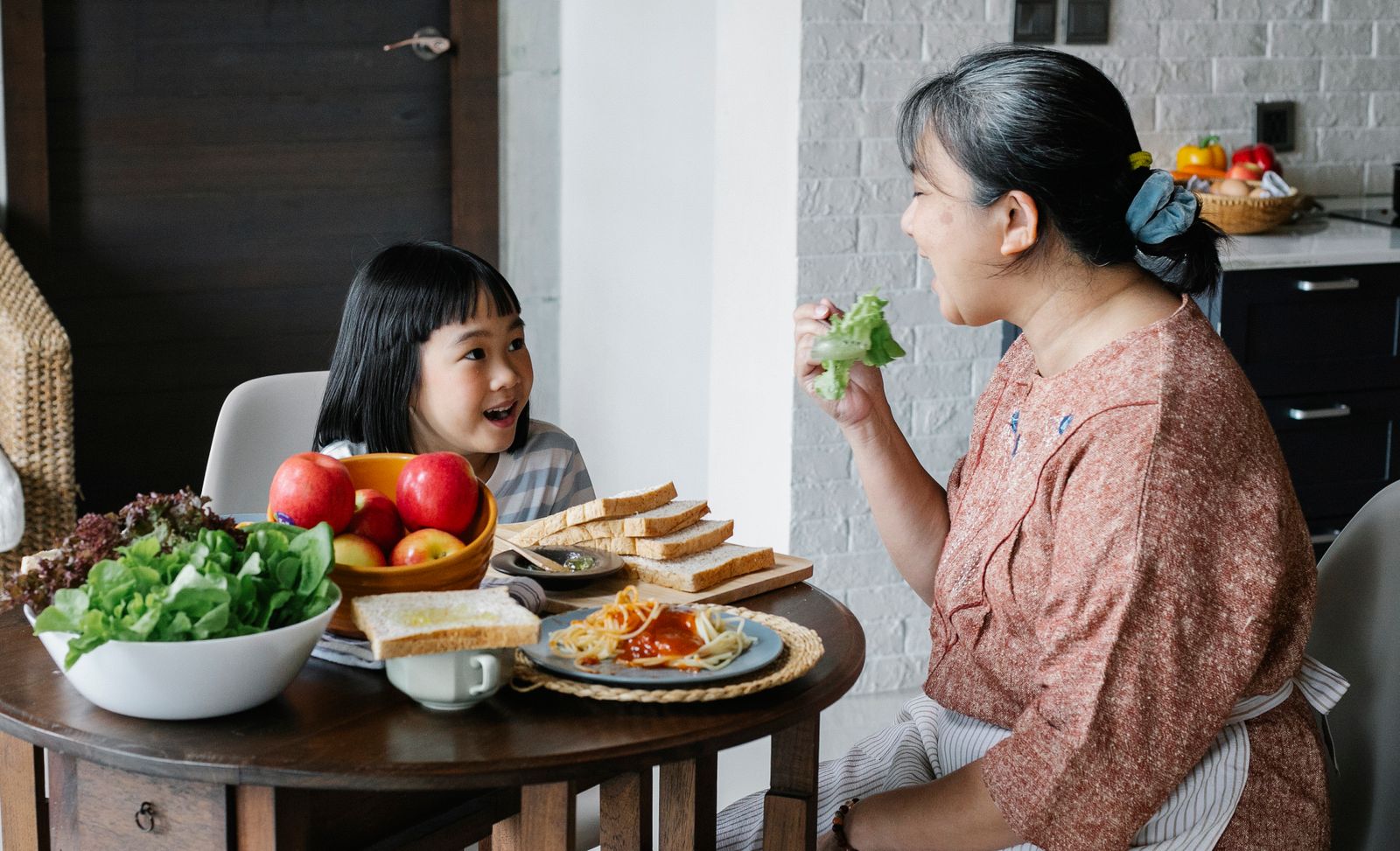
Families should share the load, take time to rest, and not hesitate to ask for help from professional carers when needed — because only a healthy caregiver can sustain care for the person they love.