

Two Main Paths for Elderly Care
When a parent or older relative begins to need more support, most Thai families face two main options: moving them into an elderly care centre (nursing home), or hiring a caregiver to look after them at home. There is no single "right" answer — the best choice depends on the level of care required, your budget, and your family's lifestyle.

Cost: A Side-by-Side Look
A live-in home caregiver in Thailand typically costs around ฿15,000–30,000 per month for one carer. Genuine 24-hour coverage usually requires two carers working in shifts, which roughly doubles that figure. Care centres, by contrast, charge an all-inclusive fee from about ฿20,000–45,000 per month for standard care — covering accommodation, meals, nursing, and activities. When round-the-clock care is needed, a centre is often more cost-effective on a per-hour basis.
Medical Care and Safety
A reputable care centre has registered nurses on staff, an on-call doctor, basic equipment for emergencies, and proximity to a hospital — making it well suited to seniors with complex conditions or a high risk of medical emergencies. With home care, safety depends on the caregiver's skills and how well the home is adapted. If the carer lacks a nursing background, the family carries more risk during a crisis.
Quality of Life and Social Connection
The clear advantage of home care is that your loved one stays in a familiar environment, close to family — which reduces stress and confusion, especially for people living with dementia. On the other hand, a good care centre offers group activities, physiotherapy, and peers of a similar age, helping to ease loneliness and encourage movement that seniors living alone at home often miss.

Who a Care Centre Suits Best
A care centre fits families whose members work and cannot provide full-time care, seniors who need continuous nursing or post-hospital rehabilitation, and situations where high-level, 24-hour safety is needed at a predictable monthly cost.
Who In-Home Care Suits Best
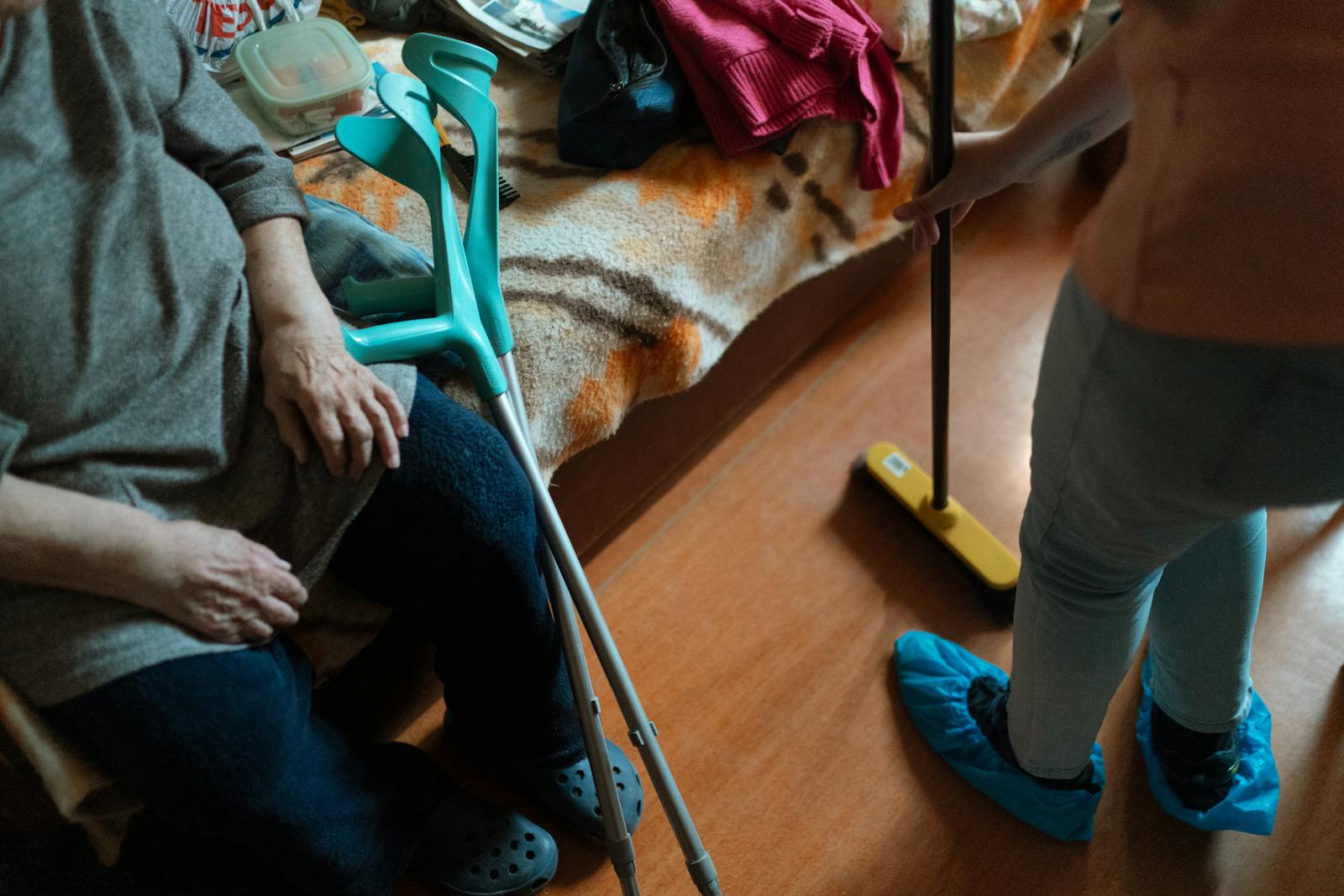
Hiring a home caregiver works well for seniors who are still partly independent and only need help with daily routines, and for families who value keeping their loved one in their own home — particularly when a family member is available to supervise the caregiver closely.
In Summary: How to Choose
Weigh three things: (1) the level of medical care required, (2) a sustainable monthly budget, and (3) your family's capacity to supervise. If care is complex and needed around the clock, a centre usually serves better; if your loved one is still active and the family wants them at home, a caregiver is the warmer choice. Whichever path you take, visiting in person and speaking directly with the carers is the single most important step before deciding.