
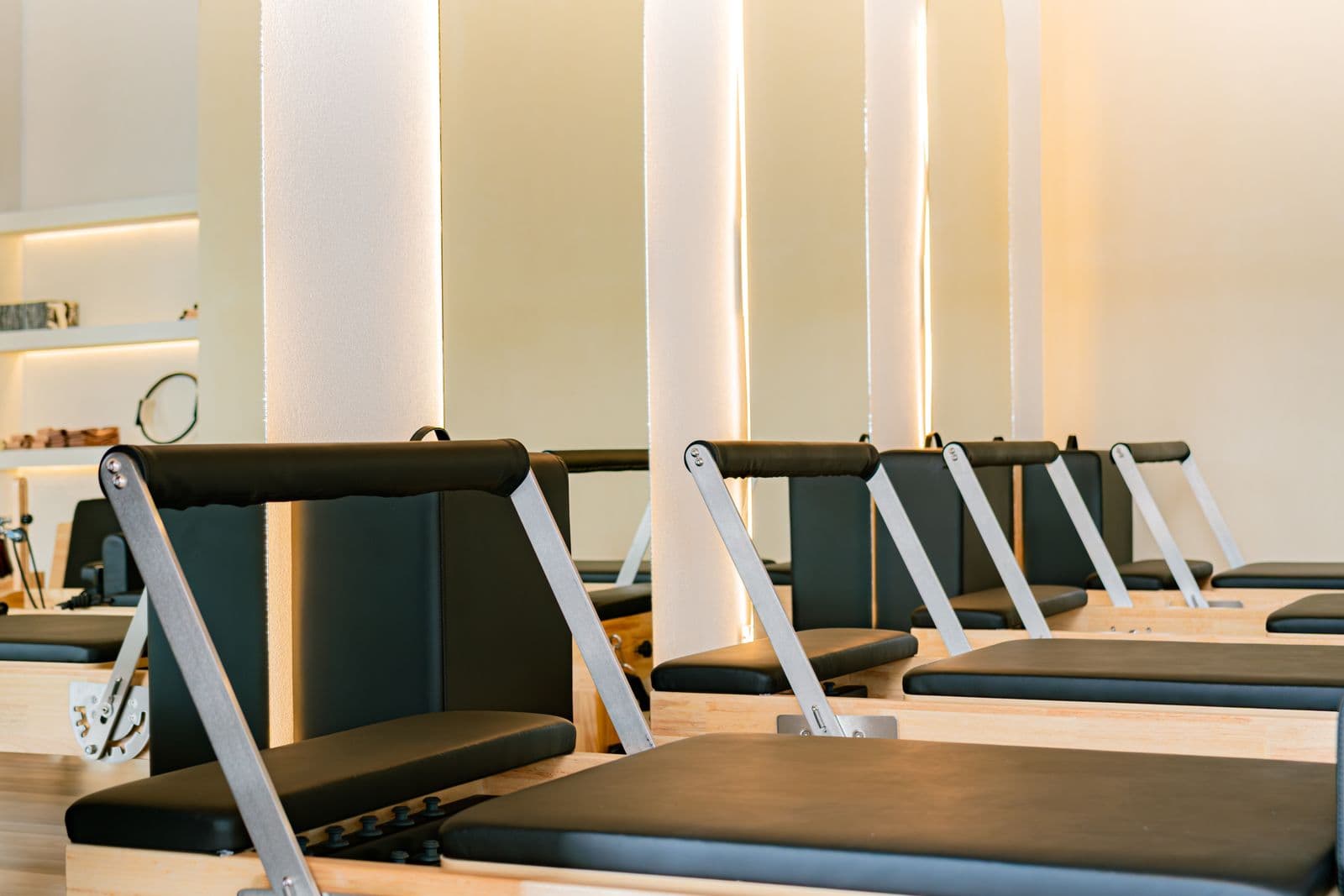
Why Rehabilitation Matters
After surgery, a stroke, or serious illness, older people often need structured rehabilitation to move and care for themselves again. This window is critical — correct, continuous rehabilitation reduces complications and improves the chances of returning to normal life.
What a Rehabilitation Centre Does
An elderly rehabilitation centre provides physiotherapy, occupational therapy, swallowing and speech training, plus wound care and nursing from a multidisciplinary team. The goal is to restore ability as close to baseline as possible under expert supervision.
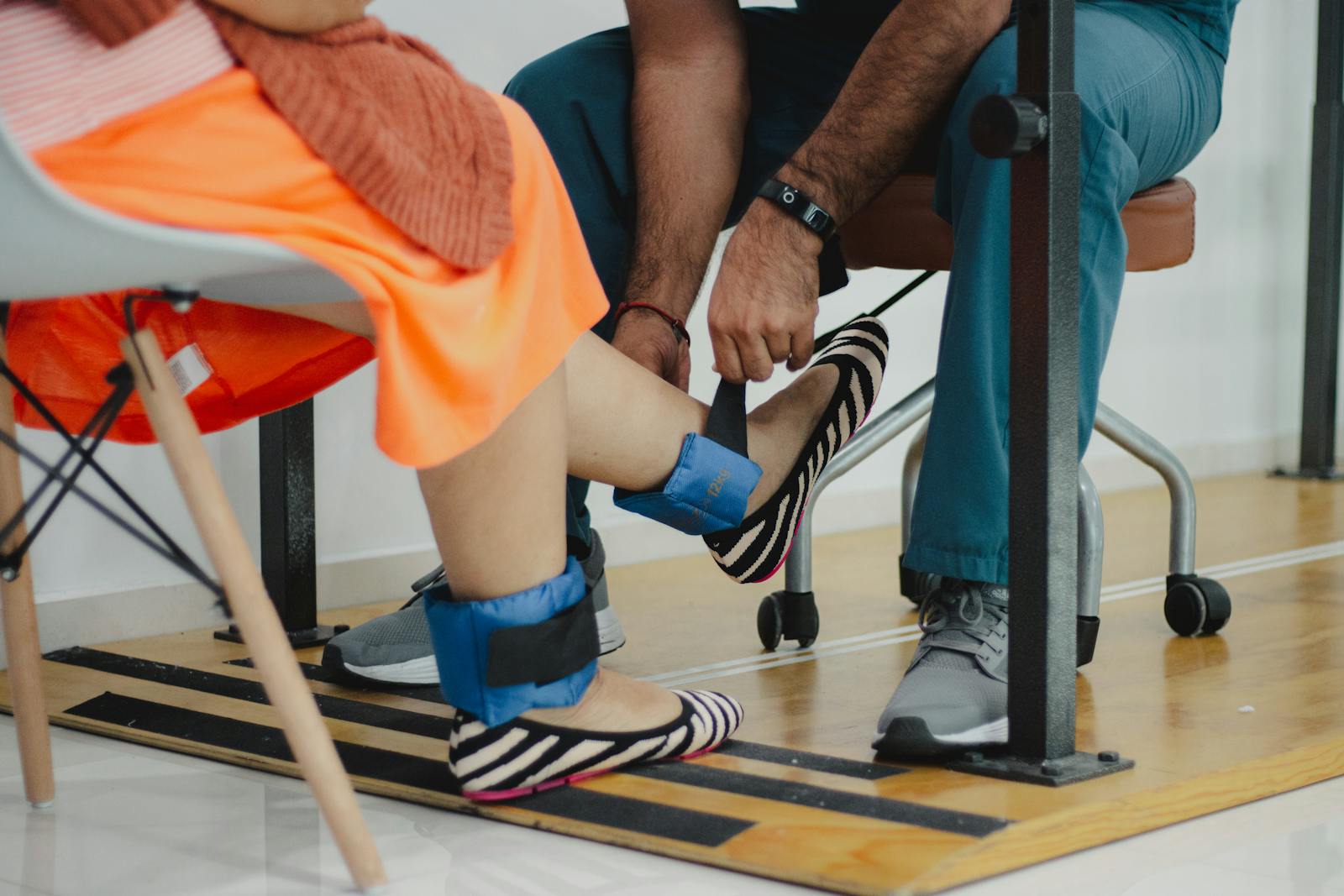
Who It Suits
It suits people just discharged from hospital who can't yet manage at home, patients after hip or knee surgery, those with paralysis from a stroke, and anyone needing intensive physiotherapy for a period of time.
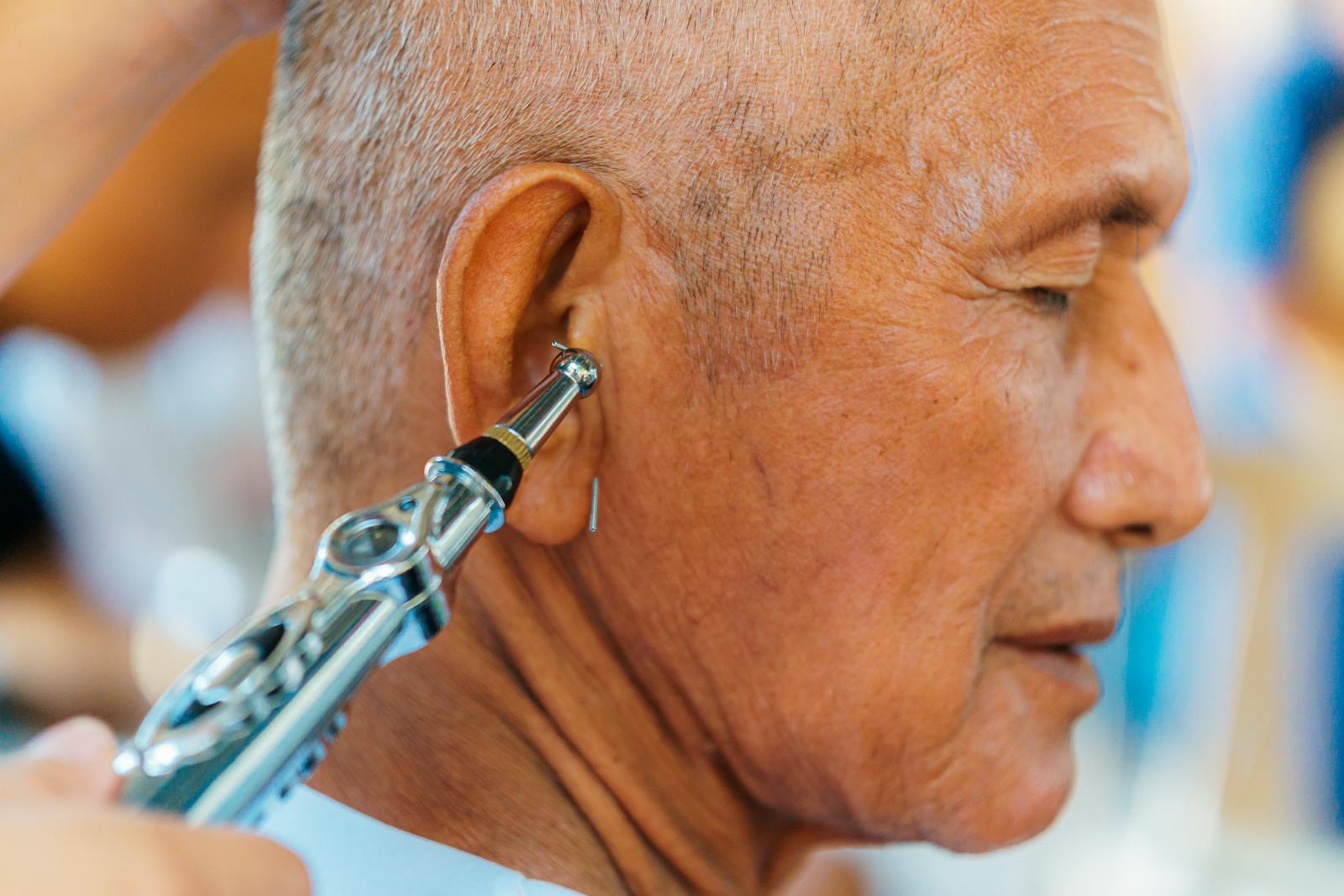
What to Look For
Check whether physiotherapists and medical staff are on site, how complete the rehabilitation equipment is, the staff-to-patient ratio, proximity to a hospital, and whether there's an individualised rehabilitation plan with regular progress reviews.
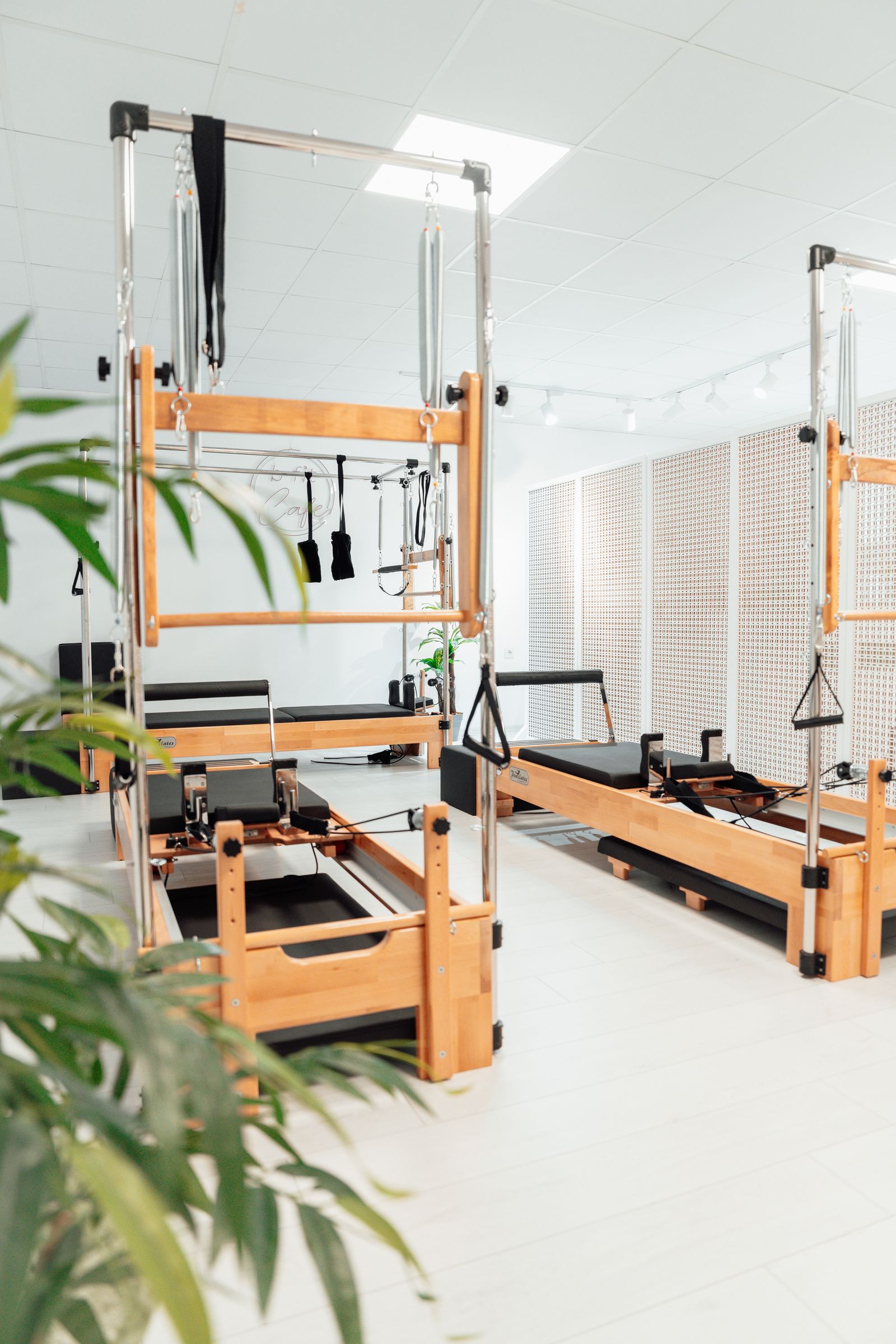
From Short-Term Rehab to Long-Term Care
Some patients recover enough to go home; others need ongoing long-term care. A good centre gives clear guidance for continued care at home and helps plan the transition to whatever model of care best fits the patient's condition.